
What to expect
- Free consultation - book a free consultation with our treatment coordinator to discuss your options.
- Assessment - regular dental check-ups and X-rays help determine whether extraction is necessary, or whether monitoring is the right course of action.
- Your procedure - performed under local anaesthesia for a more conscious experience, or general anaesthesia for a deeply relaxed state.
- Recovery - clear, gentle post-operative guidance on diet and care to make your healing faster, safer and more comfortable. Read our post-surgery guide.
Frequently asked questions
Do I need to remove my wisdom teeth?
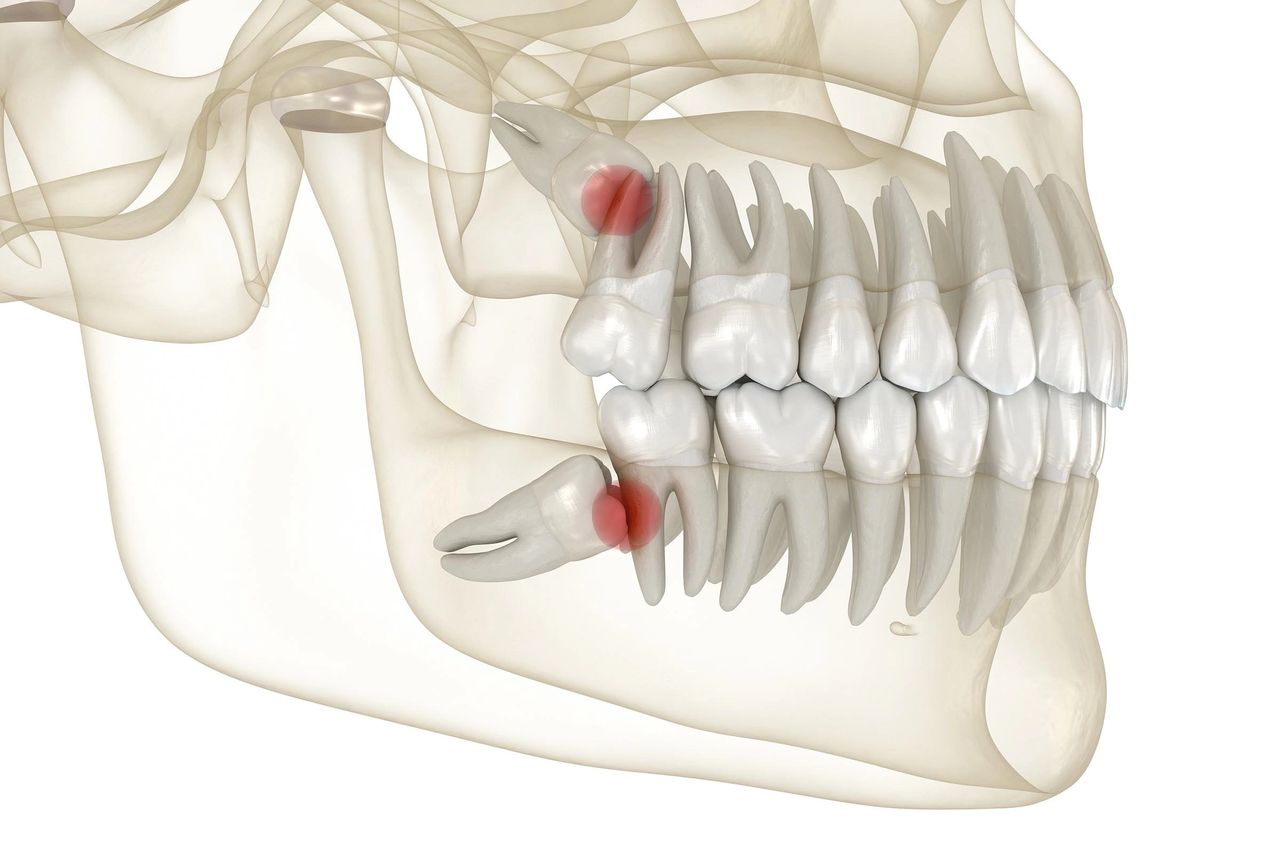
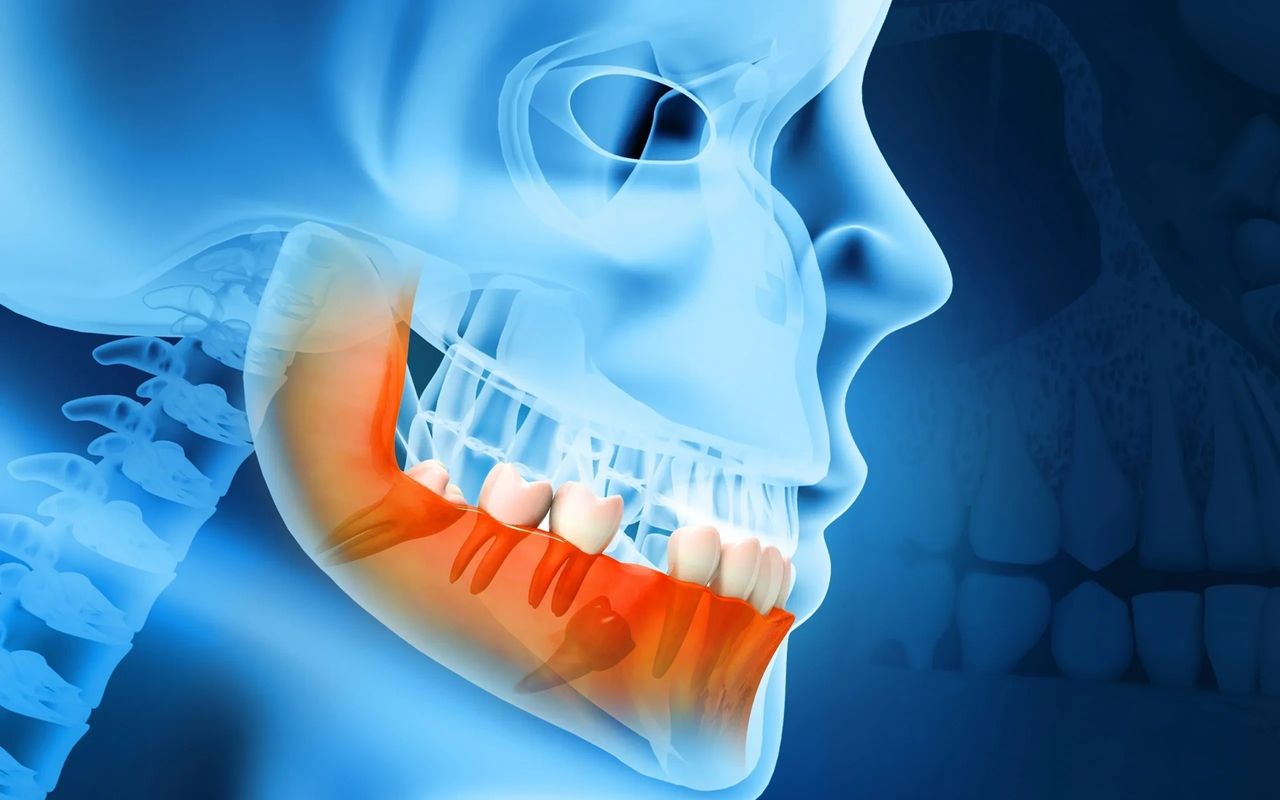
Not all wisdom teeth need to be removed. If they are healthy, fully erupted, correctly positioned and easy to clean, regular monitoring may be all that's needed. Removal is recommended for impaction, crowding, infection or gum disease, tooth decay, damage to nearby teeth, or cysts. Read more.
When do wisdom teeth usually come in?
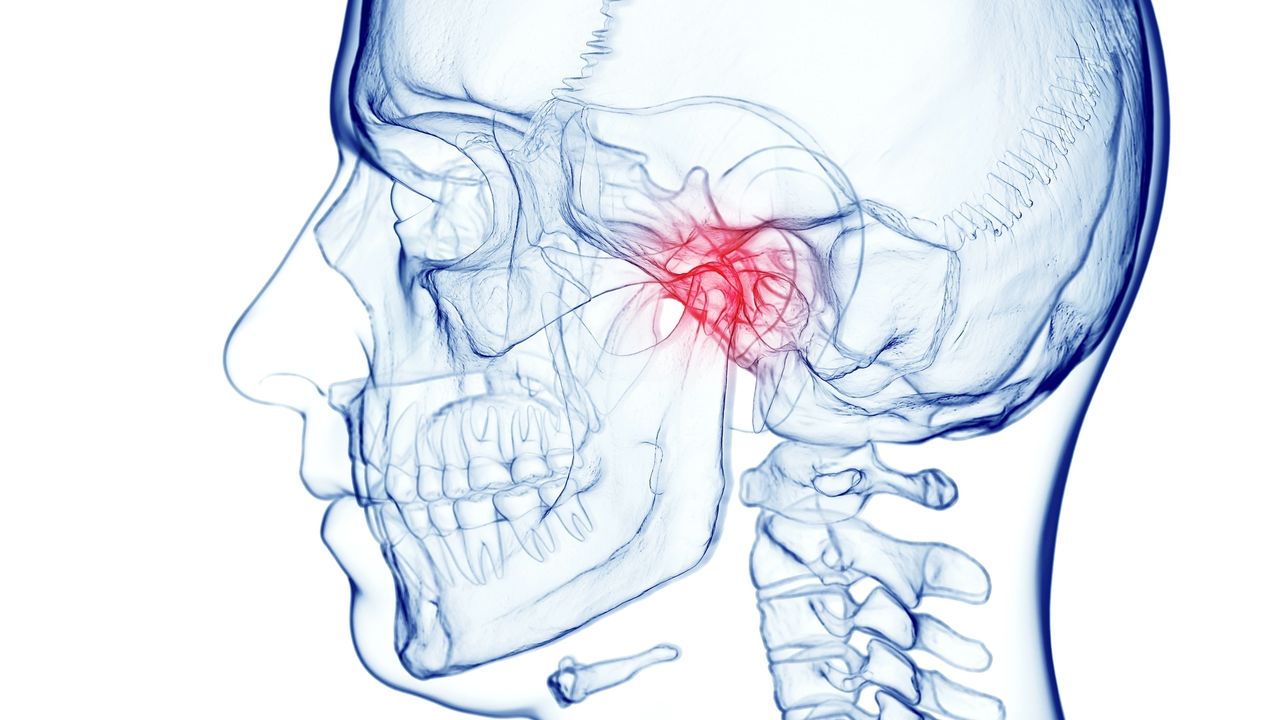
Wisdom teeth, or third molars, typically emerge between the ages of 17 and 25. Symptoms can include pain, swelling, jaw stiffness, and even difficulty opening your mouth. Read more.
How is wisdom teeth removal performed?
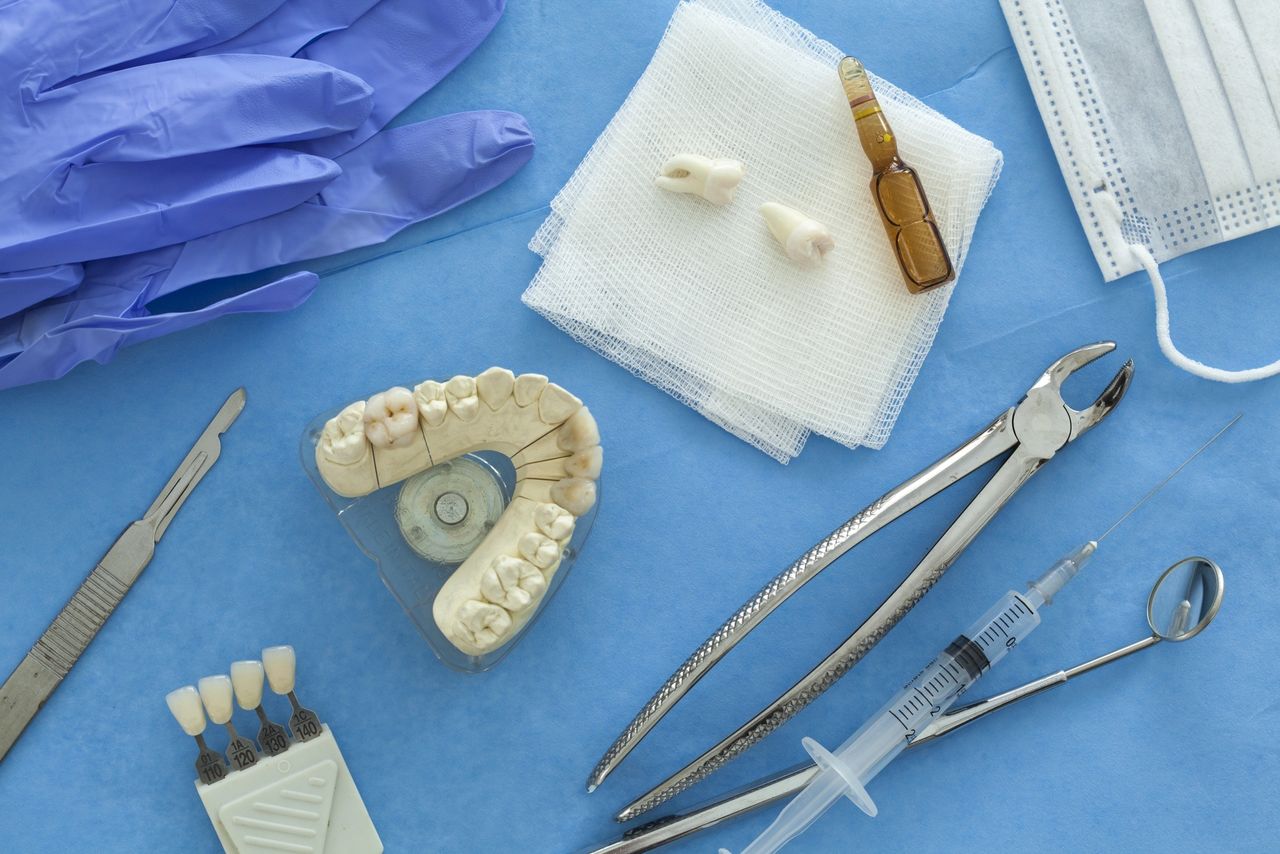
Extraction of problematic wisdom teeth is performed by our oral surgeon under local anaesthesia for a more conscious experience, or general anaesthesia for a deeply relaxed state - a painless and stress-free procedure with your comfort prioritised. Read more.
What can I eat after wisdom teeth removal?
For the first 3-5 days choose soft, smooth foods that require little to no chewing - smooth soups, yoghurt, mashed potatoes, smoothies (no straws), scrambled eggs. Avoid crunchy, hard, spicy or hot foods, alcohol for at least 72 hours, and straws. Read the full guide.